A Step-by-Step Guide for Facilities Managers
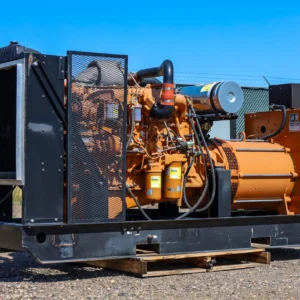
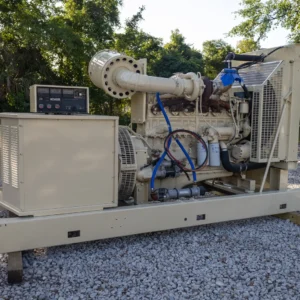
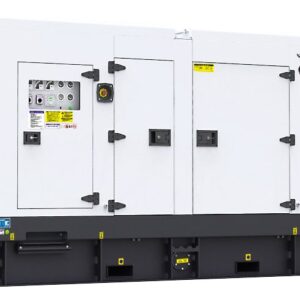
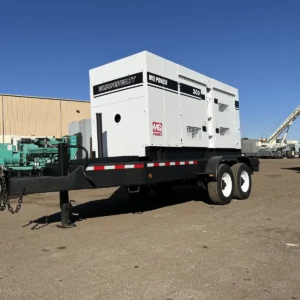
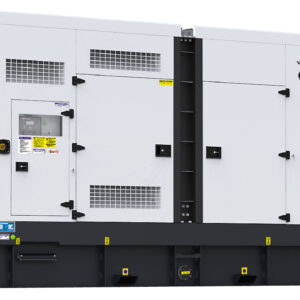
Commercial Generators For Sale In North Carolina And South Carolina. Choosing the right generator is not just about matching a number on a spec sheet. If you undersize a unit, you risk equipment failure and power surges. If you oversize it, you face “wet stacking” and unnecessary fuel costs. This guide breaks down the technical selection process into five clear steps.
1. Define Your Load Requirements
The first step is determining exactly what needs to stay powered during an outage. You must distinguish between your total facility load and your “critical load.”
- Emergency Loads: These are life safety systems, such as emergency lighting, fire alarms, and medical equipment.
- Legally Required Loads: Systems required by local building codes, such as elevators or smoke control.
- Optional Standby Loads: Systems that keep the business running, such as HVAC, data centers, and refrigeration.
2. Calculate Starting vs. Running Wattage
Industrial equipment, particularly motors and HVAC units, requires a massive surge of power to start up. This is known as “Inrush Current.”
- Running Wattage: This is the continuous power required to keep equipment operating once it is already running.
- Starting Wattage: This is the peak power needed for a few seconds to kick-start a motor. A 100kW motor might require 300kW just to start.
- The Multiplier Rule: When sizing, you must account for the largest motor starting while the rest of the facility is already under load.
3. Understand Phase and Voltage
You must match the generator output to your facility’s electrical service. Most industrial applications require 3-phase power, while smaller commercial buildings might use 1-phase.
- 1-Phase: Typically used for smaller, residential, or light commercial applications (120V or 240V).
- 3-Phase: Standard for industrial facilities, data centers, and large hospitals (208V, 480V, or 600V). Using a 3-phase generator for a 1-phase load can lead to unbalanced phases and engine damage.
4. Evaluate Fuel Types for Your Region
The best fuel type often depends on your geographic location and the availability of local infrastructure.
- Diesel: The gold standard for reliability and fast response. Diesel units, such as a 500kW or 1,000kW model, offer high energy density and are easily serviced.
- Natural Gas: Ideal for facilities with a reliable pipeline. These units are often preferred in urban areas where diesel storage is restricted.
- Dual Fuel: These systems provide the redundancy of diesel with the longer run times of natural gas.
5. Account for Site Conditions and Derating
Environmental factors can significantly impact the performance of your generator. In certain conditions, a generator may need to be “derated,” meaning it will produce less than its nameplate capacity.
- Altitude: At higher altitudes, such as in Colorado, thinner air leads to less efficient combustion. Generators often lose 3% of their power for every 1,000 feet of elevation above a certain point.
- Ambient Temperature: In high-heat regions like Florida or Texas, cooling systems have to work harder. If the air is too hot, it cannot effectively cool the engine, requiring a larger unit to handle the same load.