

How Does Propane Tank Rental Work
Propane is one of the most versatile and efficient energy sources available for homes and businesses. It powers everything from central heating systems and water heaters to kitchen stoves, clothes dryers, and outdoor patio equipment. However, before you can enjoy the benefits of clean-burning propane, you need to answer a fundamental question: How will you store your fuel?
While you can purchase a propane tank outright, the vast majority of residential and commercial users choose to rent or lease their tanks. But how does a propane tank rental actually work? From initial selection and delivery to ongoing maintenance and refilling, here is a comprehensive breakdown of the entire process.
1. Choosing the Right Tank Size and Type
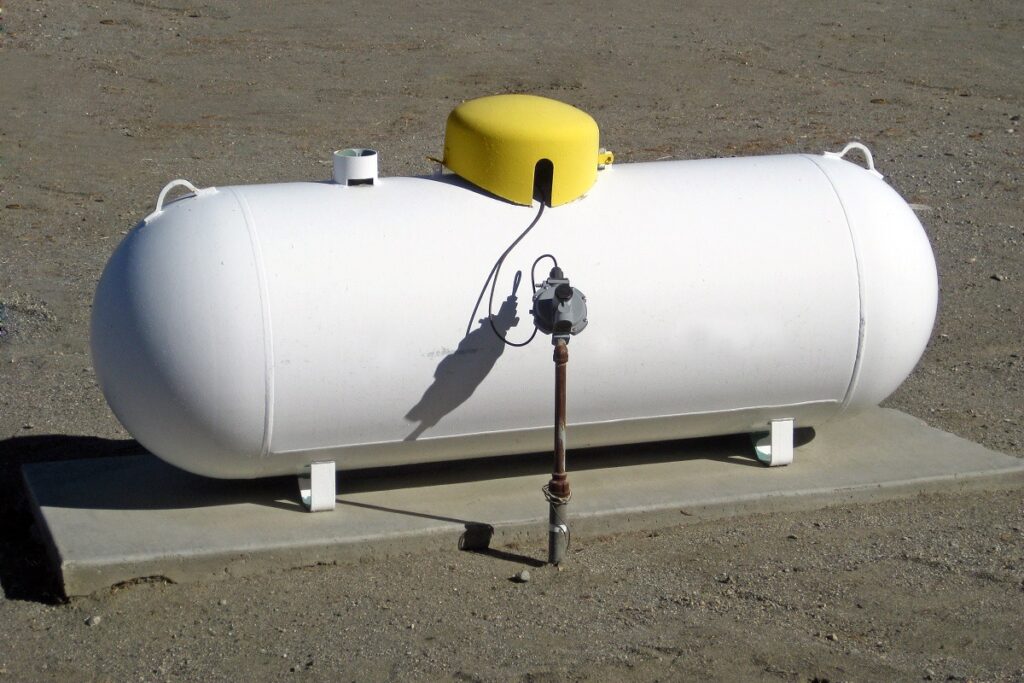
The first step in the propane rental process is determining what size tank your property requires. Propane providers typically offer several standard residential tank sizes, usually measured in gallons:
- 120 to 250 Gallons: Ideal for homes using propane for a few minor appliances, such as a gas fireplace, water heater, or stove, but not for whole-home heating.
- 500 Gallons: The most common size for residential heating. This tank can comfortably handle a medium-sized home providing space heating, hot water, and kitchen appliances.
- 1,000 Gallons: Designed for large homes, heavy energy demands, or properties running multiple high-capacity appliances like pool heaters, generators, and whole-house heating systems.
You will also decide between an above-ground or underground tank. While above-ground tanks are the standard for most rentals due to simpler installation, some providers offer underground leasing options if local regulations and property layouts permit.
2. Signing the Lease Agreement
When you rent a propane tank (often referred to as a “leased tank”), you enter into a contract with a specific propane supplier. Unlike owning a tank—where you buy the equipment upfront—a rental agreement means the propane company retains legal ownership of the physical tank and its primary regulators.
Key elements of a propane tank lease agreement include:
- Annual Lease Fees: Most companies charge a small yearly rental fee (ranging anywhere from $50 to over $200 depending on the tank size) to cover equipment depreciation, safety checks, and maintenance overhead.
- The “Exclusive Supplier” Clause: This is the most critical rule of renting. Because the company owns the tank sitting on your property, you are legally required to purchase all your propane exclusively from them. Buying propane from a third-party discounter and trying to fill a leased tank is a breach of contract and can result in the removal of the tank or termination of service.
- Minimum Annual Usage: Many providers require you to consume a minimum number of gallons per year to justify keeping the equipment on your property.
3. Professional Installation and Safety Checks
You cannot simply pick up a large propane tank from a hardware store and hook it up yourself. Due to strict federal, state, and local safety codes, propane tank installation must be handled by certified professionals.
Once you sign your rental agreement, the provider will:
- Deliver the tank to your home using a specialized crane truck.
- Place the tank on a secure foundation (like concrete pads) adhering to safety setbacks—keeping it a safe distance away from ignition sources, property lines, and building openings.
- Connect the tank safely to your home’s gas lines and perform rigorous pressure and leak tests to ensure the entire system is secure.
4. Managing Propane Deliveries
Once your tank is installed and active, you will need a plan to keep it filled. Propane companies typically offer two main delivery schedules:
- Automatic Delivery: This is the preferred method for most rental agreements. The supplier uses a weather-tracking algorithm and your historical usage patterns to estimate when your tank is running low, dispatching a delivery truck automatically. This eliminates the risk of running out of gas in the middle of winter.
- Will-Call Delivery: With this option, you are entirely responsible for monitoring your tank’s gauge (located under the dome on top of the tank). When the gauge drops to roughly 20% to 30%, you must call your provider to schedule a fill-up manually.
Many modern rental programs also feature remote digital tank monitors that sync with a smartphone app, allowing you to track your exact fuel levels in real time.
5. Maintenance and Repairs
One of the greatest perks of renting a propane tank is that you are not responsible for maintenance.
If a regulator wears out, a valve sticks, or the tank requires a fresh coat of rust-preventative paint, the propane company handles it. Technicians inspect leased tanks regularly—often during routine refills—to ensure compliance with all safety regulations. If anything breaks due to normal wear and tear, the supplier fixes or replaces it at little to no extra cost to you.
What Happens If You Want to Move or Switch Providers?
Because the tank belongs to the supplier, moving or changing companies requires a bit of coordination:
- Moving House: You simply notify your provider. Because the tank stays with the property or is picked up by the company, it won’t complicate your real estate transition.
- Switching Providers: If you are unhappy with your current supplier’s customer service or fuel prices, you must wait until your contract allows or run your tank low, request that the current company pump out and remove their tank, and then have a new company install a replacement tank.
Final Thoughts: Is Renting Right for You?
Renting a propane tank removes the heavy upfront financial burden of buying a tank and shifts the burden of maintenance, liability, and safety compliance onto the experts. For homeowners looking for a seamless, hands-off energy experience, a propane tank rental program is almost always the most convenient and practical choice.