

Propane Tanks for Sale in Pennsylvania and New York
From the snow-laden Adirondacks and Catskill Mountains of New York to the Susquehanna Valley and Allegheny Plateau in Pennsylvania, winter across the Northeast brings prolonged freezing temperatures, ice storms, and heavy snowfall. Propane is a critical fuel for residential heating, hot water, agricultural operations, and automatic backup generators across both states. Propane Tanks for Sale in Pennsylvania and New York
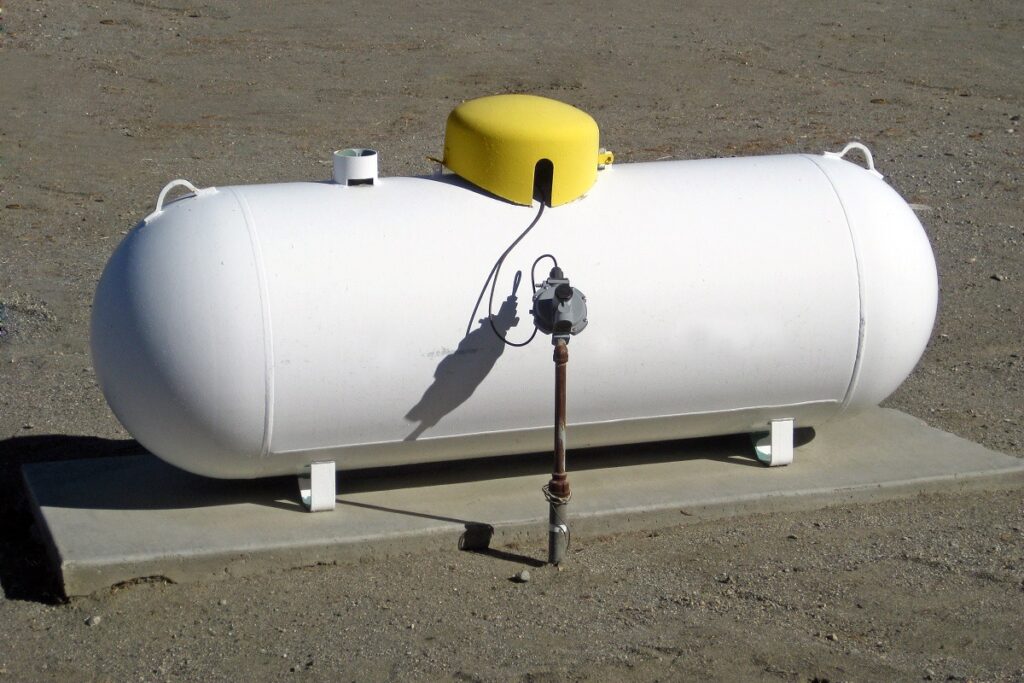
If you are shopping for propane tanks for sale in Pennsylvania or New York, this SEO-friendly guide breaks down optimal sizing, sub-zero installation considerations, and state-specific regulatory requirements.
1. Choosing the Right Propane Tank Size for PA and NY
Because prolonged sub-zero temperatures cause propane vapor pressure to drop, selecting a tank with adequate storage capacity ensures a steady supply during severe winter weather.
+-------------------------------------------------------------------------------+
|                       PENNSYLVANIA & NEW YORK TANK SIZING                     |
+-------------------+-----------------------------------------------------------+
| Tank Capacity     | Practical Application                                     |
+-------------------+-----------------------------------------------------------+
| 120-Gallon        | Single gas appliances (water heaters, gas logs, ranges)  |
| 250 to 320-Gallon | Small cabins, backup generators, space heat, or pools    |
| 500-Gallon        | Standard single-family residential heating (Most Popular) |
| 1,000+ Gallon     | Large rural estates, dairy farms, & commercial sites      |
+-------------------+-----------------------------------------------------------+
- 500-Gallon Tanks: The standard choice for whole-home heating in Pennsylvania and Upstate New York. Safely filled to 80% liquid capacity (~400 gallons of usable fuel), a 500-gallon tank provides a reliable cushion against delivery delays during winter storms.
- 1,000+ Gallon Tanks: Highly popular across agricultural regions (such as Pennsylvania’s Lancaster County and New York’s Finger Lakes) for livestock barn heating, crop drying, and commercial applications.
2. Above-Ground vs. Underground Propane Tanks
Deciding between an above-ground or buried tank in the Northeast involves weighing frost line depth, soil conditions, and property aesthetic rules.
| Feature | Above-Ground Propane Tanks | Underground Propane Tanks |
| Terrain & Soil | Ideal for rocky mountain soils, shallow bedrock, or high water table areas | Best for loamy soils, suburban neighborhoods, or properties with strict HOA rules |
| Winter Performance | Liquid propane cools in freezing air, which can lower vapor pressure during extreme cold snaps | Earth provides natural insulation, maintaining stable vapor pressure during sub-zero stretches |
| Setup & Cost | Lower initial cost; installed quickly on concrete slabs or crushed stone pads | Higher upfront cost due to excavation below frost depth, backfill, and anti-corrosion protection |
| Corrosion Prevention | Simple visual inspections for paint integrity, rust, and valve wear | Requires sacrificial anode rods (cathodic protection) to shield buried steel from soil rust |
3. Buying vs. Leasing Your Propane Tank
When comparing propane tanks for sale from local suppliers, evaluate the trade-offs of purchasing equipment outright versus leasing.
Buying Your Propane Tank
- Pros: Complete equipment ownership gives you total market freedom to shop competing regional fuel providers (such as Superior Plus, Suburban Propane, or local cooperatives) for the lowest price per gallon.
- Cons: Higher upfront equipment and setup costs ($800 to $3,500+ installed), plus full responsibility for ongoing valve checks, line testing, and safety inspections.
Leasing Your Propane Tank
- Pros: Minimal upfront capital required. The propane distributor handles routine leak checks, regulator updates, and pressure safety testing.
- Cons: Both Pennsylvania (34 Pa. Code § 13.8) and New York (NYS Agriculture & Markets Law § 192-E) enforce strict container laws—it is illegal for an unauthorized fuel supplier to fill a tank owned or leased by another dealer without written consent. You are locked into buying fuel exclusively from your leasing provider.
4. Key Safety Regulations in Pennsylvania and New York
Installing a stationary propane tank in either state requires strict compliance with state fire codes and administrative rules:
- NFPA 58 Distance Setbacks: Both states adopt National Fire Protection Association (NFPA 58) standards. Above-ground tanks holding 125 to 500 gallons must sit at least 10 feet away from building openings, doors, windows, and property boundaries.
- PA Department of Labor and Industry (L&I): In Pennsylvania, LP-gas installations fall under the Propane and Liquefied Petroleum Gas Act (34 Pa. Code Chapter 13). Commercial or large-capacity installations require state L&I plan approvals.
- New York State Uniform Fire Prevention and Building Code: In NY State, LP-gas systems must comply with the Uniform Code (adopting the International Fire Code and NFPA 58). Note that New York City enforces separate, highly restrictive rules under the NYC Fire Code administered by the FDNY.
- Snow Clearance and High-Visibility Markers: Heavy winter snowpack in regions like Western PA or Upstate NY requires installing high-visibility marker poles on above-ground tanks so emergency responders and delivery drivers can locate shut-off valves in deep drifts.
Summary
Investing in a propane tank in Pennsylvania or New York provides vital energy resilience against winter weather interruptions and power grid failures. Always partner with a certified, state-licensed LP-gas technician to evaluate your property’s heating demand, manage local permits, and perform a safe, code-compliant installation.