

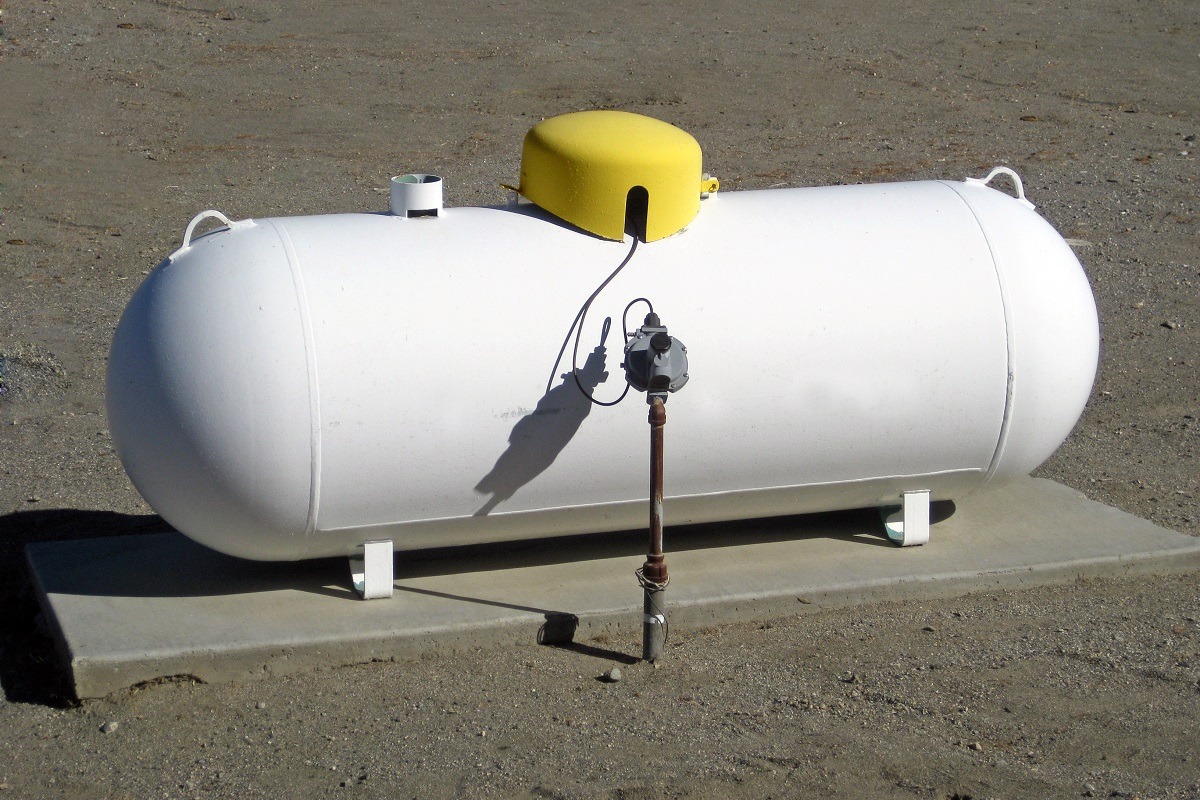
The Ultimate Buyer’s Guide to Propane Tanks for Sale in the USA
Whether you’re gearing up for summer backyard barbecues, heating a rustic off-grid cabin, or powering an entire suburban home through the winter, buying a propane tank is one of the smartest investments you can make for reliable, clean energy.
However, with dozens of sizes, installation types, and local regulations across the United States, finding the right propane tank for sale can feel overwhelming. This quick buyer’s guide breaks down everything you need to know to make the best choice for your home and budget.
1. Choosing the Right Size Tank
Propane tanks come in two main design profiles—vertical cylinders for smaller, portable needs and horizontal tanks for high-volume residential power. Matching your fuel needs to the correct size is the most critical first step:
- 20 lb to 40 lb Cylinders: The standard size for gas grills, patio heaters, and tailgating. They hold roughly 4.5 to 9.5 gallons of propane and are easy to transport and refill at local hardware stores or propane exchanges.
- 100 lb Cylinders (23.6 Gallons): Ideal for single-appliance setups, such as a fireplace insert, a gas clothes dryer, or a small space heater in a workshop.
- 120 to 250-Gallon Tanks: Perfect for homes running two or three propane appliances (like a water heater, stove, and backup generator) without relying on propane as the main heating source.
- 500 to 1,000-Gallon Tanks: Designed for whole-home heating, pool heating, and commercial applications. A 500-gallon tank is the standard size for average American single-family homes in colder climates.
Safety Rule of Thumb: Tanks are only filled to 80% of their total liquid capacity. The extra 20% acts as a safety buffer to allow the gas to expand as outdoor temperatures rise.
2. Above-Ground vs. Underground Tanks
If you are buying a 250-gallon tank or larger, you will need to choose between above-ground and underground models.
| Feature | Above-Ground Tanks | Underground Tanks |
| Initial Cost | Lower installation and purchase costs | Higher cost due to excavation and specialized coatings |
| Maintenance | Easy to inspect for rust and leaks | Requires periodic inspection of sacrificial anode rods to prevent corrosion |
| Aesthetics | Takes up visible yard space | Hidden from view; only a small dome cover remains visible |
| Weather Protection | Exposed to severe cold and wind | Protected from freezing temperatures and high winds |
3. Should You Buy or Lease Your Tank?
When shopping for propane tanks in the USA, you’ll find two main path forward: purchasing outright or leasing from a local fuel supplier.
- Buying Your Tank: Purchasing a tank gives you complete freedom. You own the equipment, which allows you to shop around for the best propane prices per gallon from competing local suppliers. While upfront costs range from $800 to over $3,000 (including installation and permits), it saves you money over long-term ownership.
- Leasing Your Tank: Leasing requires little to no upfront equipment cost, and the propane company handles ongoing repairs and compliance checks. However, leasing locks you into a contract where you can only buy fuel from that specific supplier, often at a higher per-gallon rate.
4. Key Regulations and Safety Certifications
Before buying a tank, verify that it meets strict U.S. manufacturing standards:
- DOT Stamp (Department of Transportation): Mandatory for portable cylinders (20 lb to 100 lb) transported on public roads. These require recertification every 10–12 years after manufacture.
- ASME Stamp (American Society of Mechanical Engineers): Required for stationary residential tanks (120+ gallons). ASME tanks are built thicker and do not require periodic recertification like portable cylinders.
- NFPA 58 Compliance: Ensure your installation complies with National Fire Protection Association codes regarding minimum distance requirements from doors, windows, and property lines.
Ready to Shop?
Buying a propane tank offers energy independence, reliable backup during power outages, and lower utility bills when managed correctly. Always request quotes from licensed local contractors who understand your regional climate, permit fees, and placement regulations to ensure a smooth installation.